Publications & IP
Research outputs
Seven peer-reviewed research papers, three as first author, and a published US patent application, covering electrochemical biosensors, water-quality monitoring, microfabricated sensing platforms and environmental processes. Earlier work appears under Abraham O. Ogungbile and Abraham Ogungbile. Jump to the full list ↓
Paper spotlight · open access
A Comparative Study of a Multi-Method Electrochemical Biosensor for Rapid Detection of Microcystins in Treated Wastewater
Ogungbile AO, Vernick S · Journal of The Electrochemical Society 172, 097503 (2025)
- Same chip design, two electrochemical detection methods: label-free impedance spectroscopy and enzyme-assisted (labelled) amperometry.
- Label-free EIS: detection limit 0.003 µg/L, under 10 minutes, five-order dynamic range.
- Enzyme-assisted amperometry: detection limit 0.066 µg/L, about 20 minutes.
- Both evaluated in treated wastewater with ELISA as the reference method, below the WHO guideline of 1 µg/L.
All publications
- 2026Comparative evaluation of electrochemical and fluorescent readouts for immunomagnetically captured waterborne pathogens using a biochip with bifunctional magnetic nanoparticlesGunasekaran D, Ogungbile AO, Icin I, Vernick SACS Measurement Science Au 6(2), 349–360Shows how electrochemical and fluorescent readouts compare for detecting bacteria captured on a biochip.
- 2025A Comparative Study of a Multi-Method Electrochemical Biosensor for Rapid Detection of Microcystins in Treated Wastewater1st authorOgungbile AO, Vernick SJournal of The Electrochemical Society 172, 097503Integrates label-free impedimetric and competitive amperometric detection on one chip type; open access.
- 2025Real-time chip-based impedimetric detection of cyanotoxins in treated wastewater1st authorOgungbile AO, Goldstein M, Simkhovich L, Gilad D, Zeira G, Vernick SACS ES&T Water 5(2), 696–702Validates the label-free sensor on real treated wastewater samples against ELISA.
Graphical abstract
Adapted from the graphical abstract of Ogungbile et al., ACS ES&T Water 5(2), 696–702 (2025). Redrawn illustration. - 2023Biocomposite-based electrochemical chip for ethylene detectionGal-Oz R, Gandhi S, Ogungbile A, Roy D, Ghosh M, Vernick SSensors and Actuators B: Chemical 397, 134652Extends the chip platform to ethylene, a gas that controls fruit ripening.
- 2022Rapid electrochemical immunodetection of SARS-CoV-2 using a pseudo-typed vesicular stomatitis virus modelAshur I, Alter J, Werbner M, Ogungbile A, Dessau M, Gal-Tanamy M, Vernick STalanta 239, 123147Applies impedimetric immunosensing to rapid virus detection.
- 2021Rapid detection and quantification of microcystins in surface water by an impedimetric immunosensor1st authorOgungbile AO, Ashur I, Icin I, Shapiro OH, Vernick SSensors and Actuators B: Chemical 348, 130687Introduces the label-free chip that detects microcystin-LR down to 3 ng/L.
Graphical abstract
Adapted from the graphical abstract of Ogungbile et al., Sensors and Actuators B: Chemical 348, 130687 (2021). Redrawn illustration. - 2019Impact of slope inclination on salt accumulation due to bare soil evaporationNachshon U, Baharier B, Ogungbile AO, Katzir RSoil Science Society of America Journal 83(6), 1655–1663MSc work showing how slope shapes where salts accumulate as soils dry.
Intellectual property
Patent application
Integrated multi-method electrochemical biosensor for rapid on-site detection and/or quantification of small-molecule targets in a sample. Ogungbile AO, Vernick S. PCT/IL2021/051409 · US 2025/0264433 A1 (2025). Related project →
Conference presentations
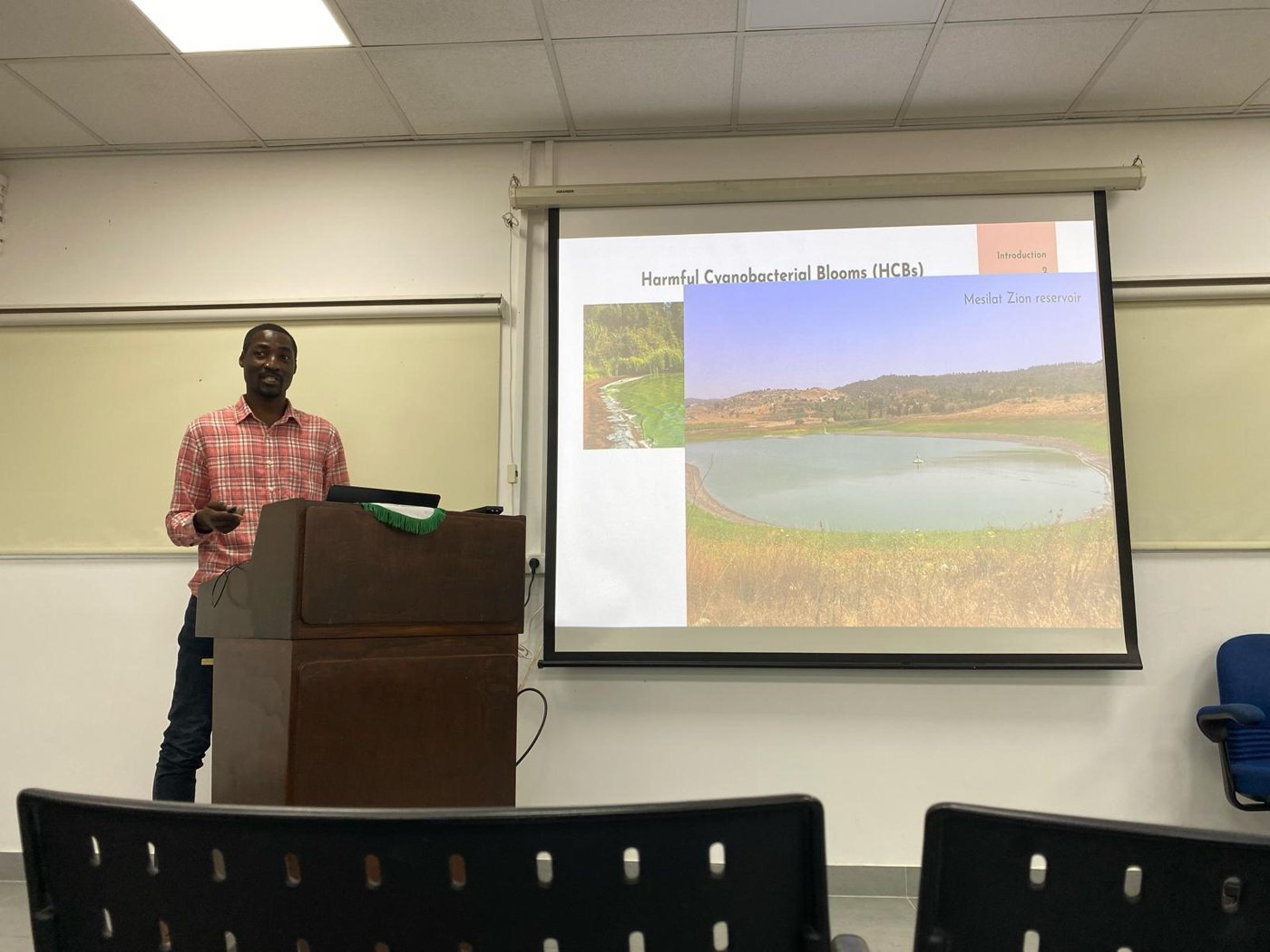
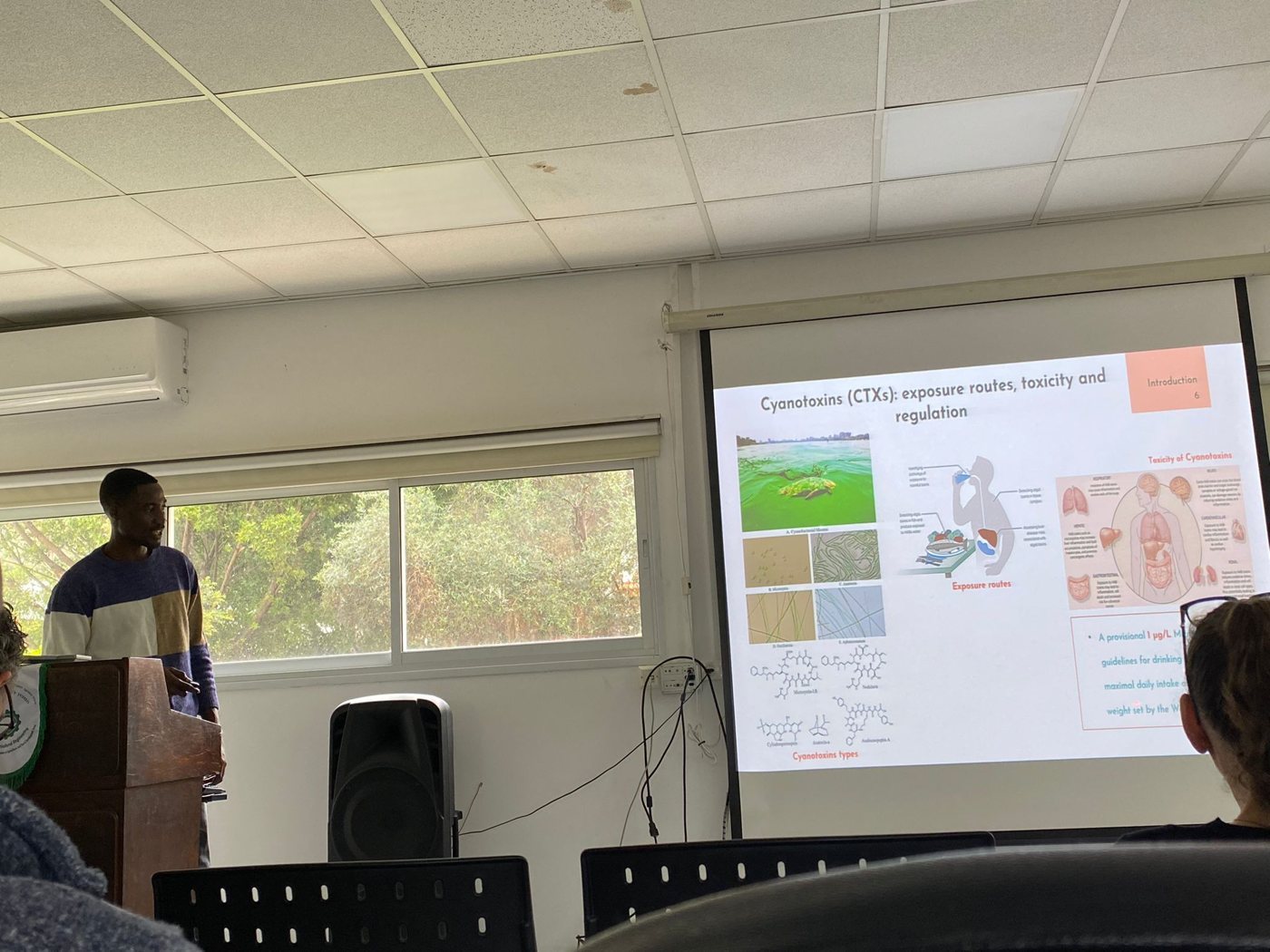
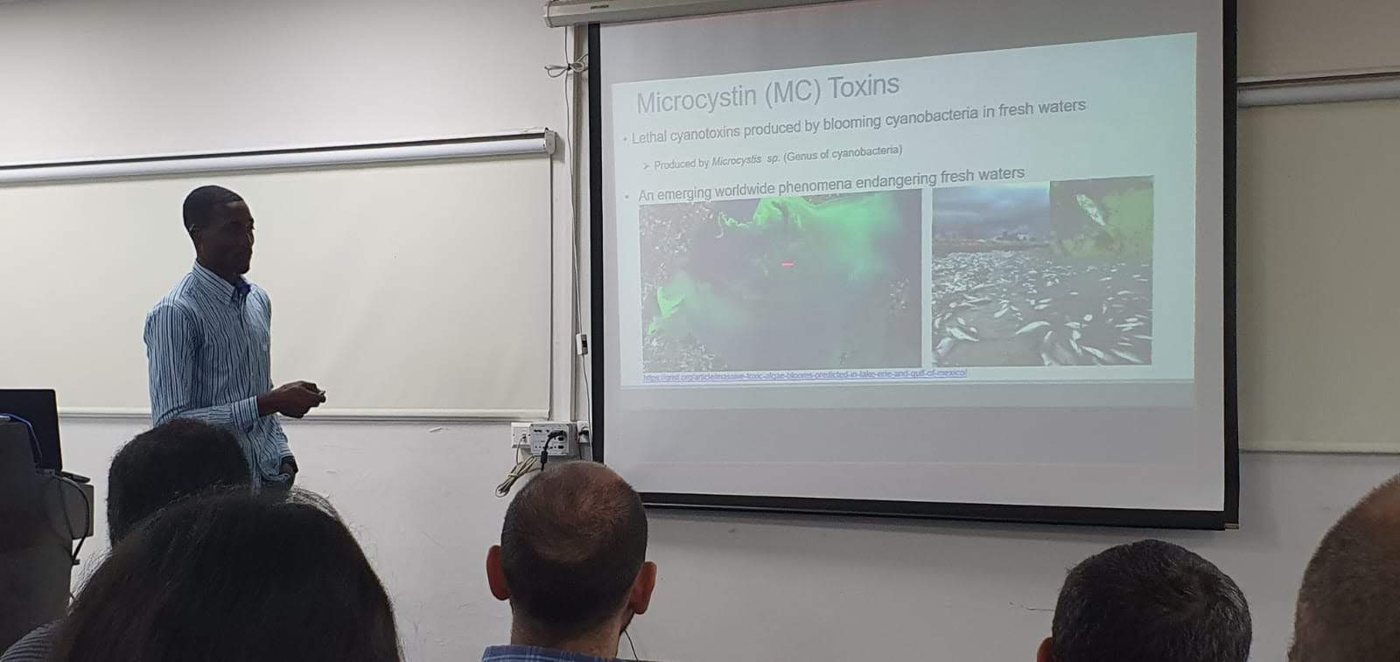
- 2024Integrated multi-method electrochemical biosensor for on-site cyanotoxin detection · ARO–Volcani Student Conference · oral, runner-up Best Oral Presentation
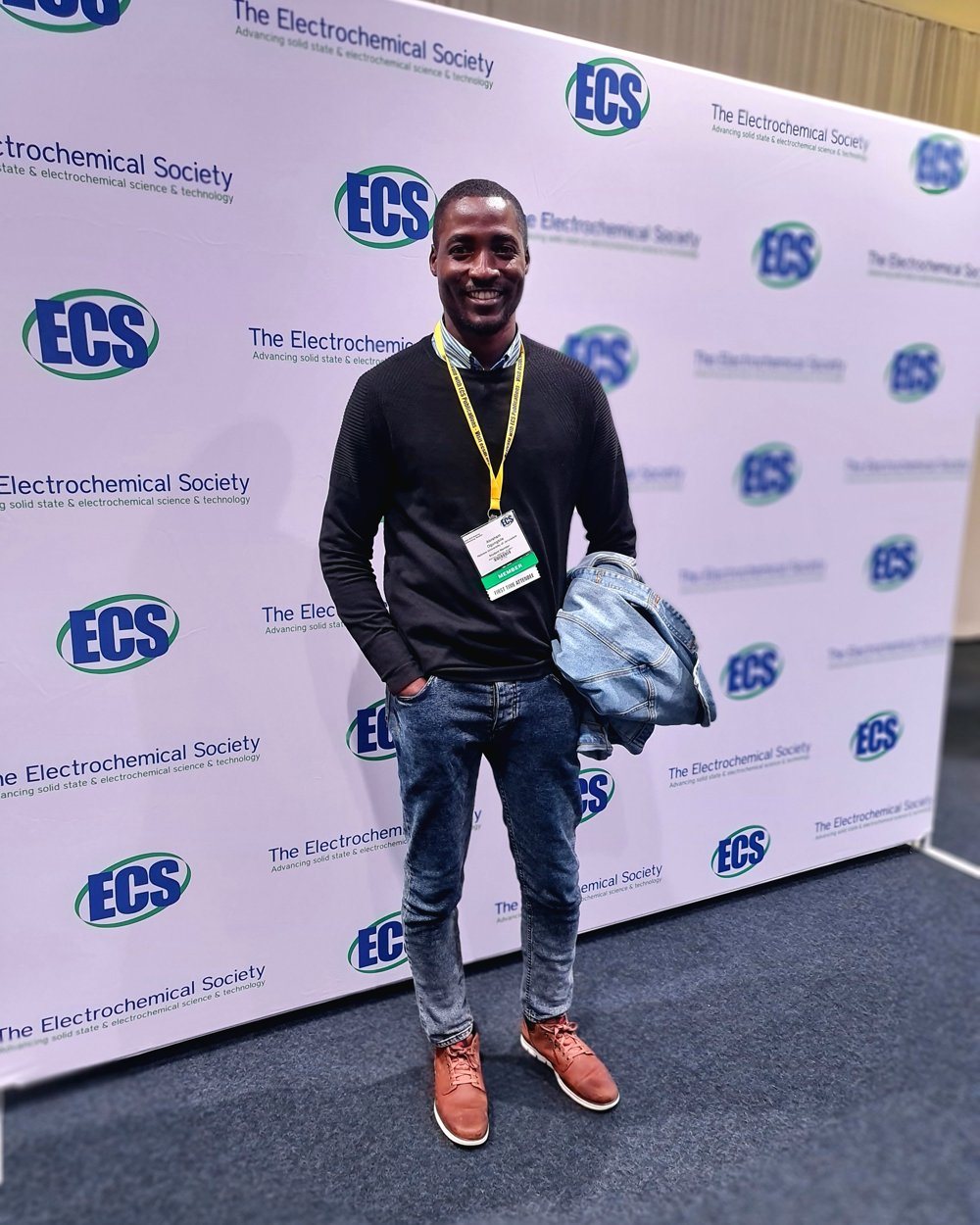
- 2023Rapid detection and quantification of microcystins by an impedimetric biosensor · 244th ECS Meeting, Gothenburg, Sweden · oral
- 2023Electrochemical biosensing for microcystins in water · ARO–Volcani Student Conference · oral, runner-up Best Oral Presentation
- 2022Rapid electrochemical immunodetection of microcystins · ARO–Volcani Student Conference · oral
- 2021Rapid detection of microcystins by an impedimetric biosensor · 240th ECS Meeting (virtual) · oral
- 2021Electrochemical biosensor for microcystins in surface waters · Grand Water Research Institute Annual Meeting, Technion
- 2021Electrochemical biosensing technology for diagnostic applications · LAUTECH, Nigeria · invited
- 2020Electrochemical biosensing for microcystins in water · GWRI Student Conference, Technion, and ARO–Volcani Student Conference · orals
- 2018Salt transport and accumulation along inclined surfaces · Israel Soil Science Society Convention · poster
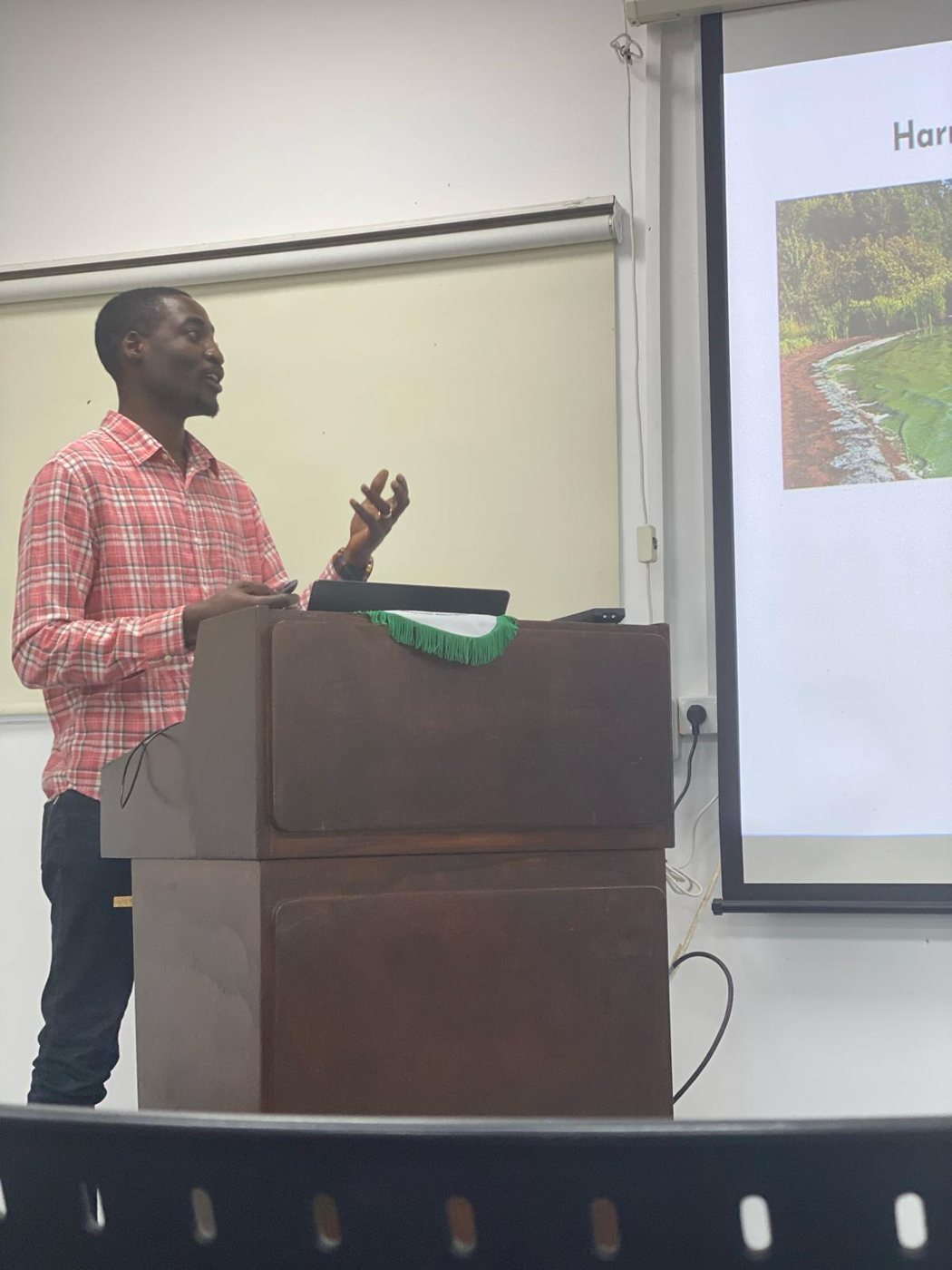
At conferences and talks